.png)


Unlocking the Secrets of Sustainable Living for a Greener Future
- Seddy Oloo

- Dec 10, 2025
- 3 min read
Sustainable living is no longer just a trend; it is a necessary shift in how we live to protect our planet. The choices we make every day—from the food we eat to the energy we use—impact the environment. Learning how to live sustainably can reduce waste, conserve resources, and create a healthier world for future generations. This post explores practical ways to embrace sustainable living and highlights how small changes can lead to big results.
Understanding Sustainable Living
Sustainable living means making decisions that reduce your environmental impact. It involves using resources wisely, minimizing waste, and supporting practices that protect ecosystems. The goal is to meet current needs without compromising the ability of future generations to meet theirs.
Key areas of sustainable living include:
Energy use
Water conservation
Waste reduction
Food choices
Transportation
Each area offers opportunities to make more eco-friendly choices.
How to Reduce Energy Consumption at Home
Energy use is a major contributor to carbon emissions. Reducing energy consumption lowers your carbon footprint and can save money on utility bills. Here are some effective strategies:
Switch to LED bulbs: They use up to 75% less energy than incandescent bulbs and last longer.
Use smart thermostats: These devices adjust heating and cooling based on your schedule, preventing energy waste.
Unplug devices: Electronics consume power even when turned off if plugged in. Unplug chargers and appliances when not in use.
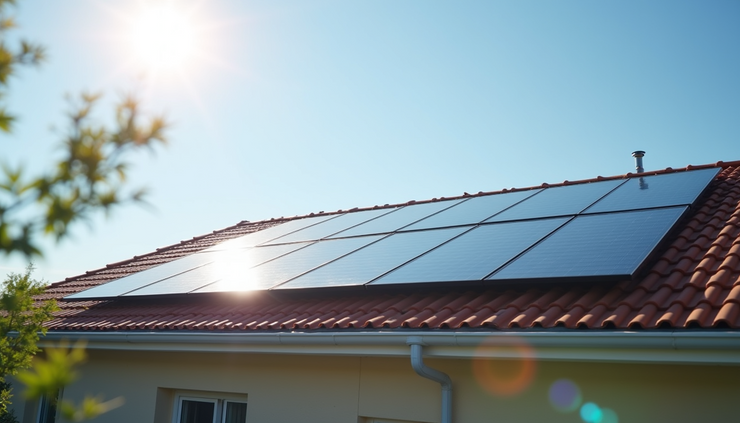
Install solar panels: Solar energy is clean and renewable. Even small installations can significantly reduce reliance on fossil fuels.
By adopting these habits, households can cut energy use by 20-30% on average.
Water Conservation Techniques That Work
Water is a precious resource, and conserving it helps protect ecosystems and reduces energy used in water treatment. Simple actions can make a big difference:
Fix leaks promptly to prevent water loss.
Install low-flow showerheads and faucets.
Collect rainwater for gardening.
Use drought-resistant plants in landscaping.
Run dishwashers and washing machines only with full loads.
For example, fixing a leaking faucet can save over 3,000 gallons of water per year.

Reducing Waste Through Smart Choices
Waste reduction is essential for sustainable living. Landfills produce methane, a potent greenhouse gas, and waste production strains natural resources. Ways to reduce waste include:
Buy in bulk to reduce packaging.
Choose reusable items like water bottles, shopping bags, and containers.
Compost food scraps to enrich soil and reduce landfill waste.
Recycle properly by following local guidelines.
Avoid single-use plastics such as straws and cutlery.
For example, composting can divert up to 30% of household waste from landfills.
Making Sustainable Food Choices
Food production has a large environmental footprint. Choosing sustainable foods can reduce greenhouse gas emissions and conserve water and land. Consider these tips:
Eat more plant-based meals.
Buy local and seasonal produce to reduce transportation emissions.
Support organic farming practices.
Reduce food waste by planning meals and storing food properly.
A study found that shifting to a plant-based diet can reduce an individual's carbon footprint from food by up to 50%.

Sustainable Transportation Options
Transportation contributes significantly to pollution and carbon emissions. Sustainable choices include:
Walking or biking for short trips.
Using public transit.
Carpooling or ride-sharing.
Driving fuel-efficient or electric vehicles.
Even small changes, like combining errands into one trip, can reduce emissions and save fuel.
Final Thoughts on Sustainable Living
Sustainable living is about making thoughtful choices that protect the environment and improve quality of life. By reducing energy and water use, cutting waste, choosing sustainable foods, and opting for greener transportation, anyone can contribute to a healthier planet. Start with one or two changes and build from there. Every action counts toward creating a greener future.

$50
Product Title
Product Details goes here with the simple product description and more information can be seen by clicking the see more button. Product Details goes here with the simple product description and more information can be seen by clicking the see more button

$50
Product Title
Product Details goes here with the simple product description and more information can be seen by clicking the see more button. Product Details goes here with the simple product description and more information can be seen by clicking the see more button.
$50
Product Title
Product Details goes here with the simple product description and more information can be seen by clicking the see more button. Product Details goes here with the simple product description and more information can be seen by clicking the see more button.


Comments